


Leviathan
Leviathan – Art Exhibition
This exhibition formed a small part of a much larger body of work by artist Shezad Dawood, which began while he was working on two separate projects: one involving research into democracy and the other exploring the oceans. This body of work addressed some of the most urgent issues of our time: climate change, migration, and mental health.
The title referenced the epic text by Wiltshire-born philosopher Thomas Hobbes (1588–1679). Hobbes’ Leviathan, written in 1651, used the sea monster described in the Book of Job as a metaphor for the state.
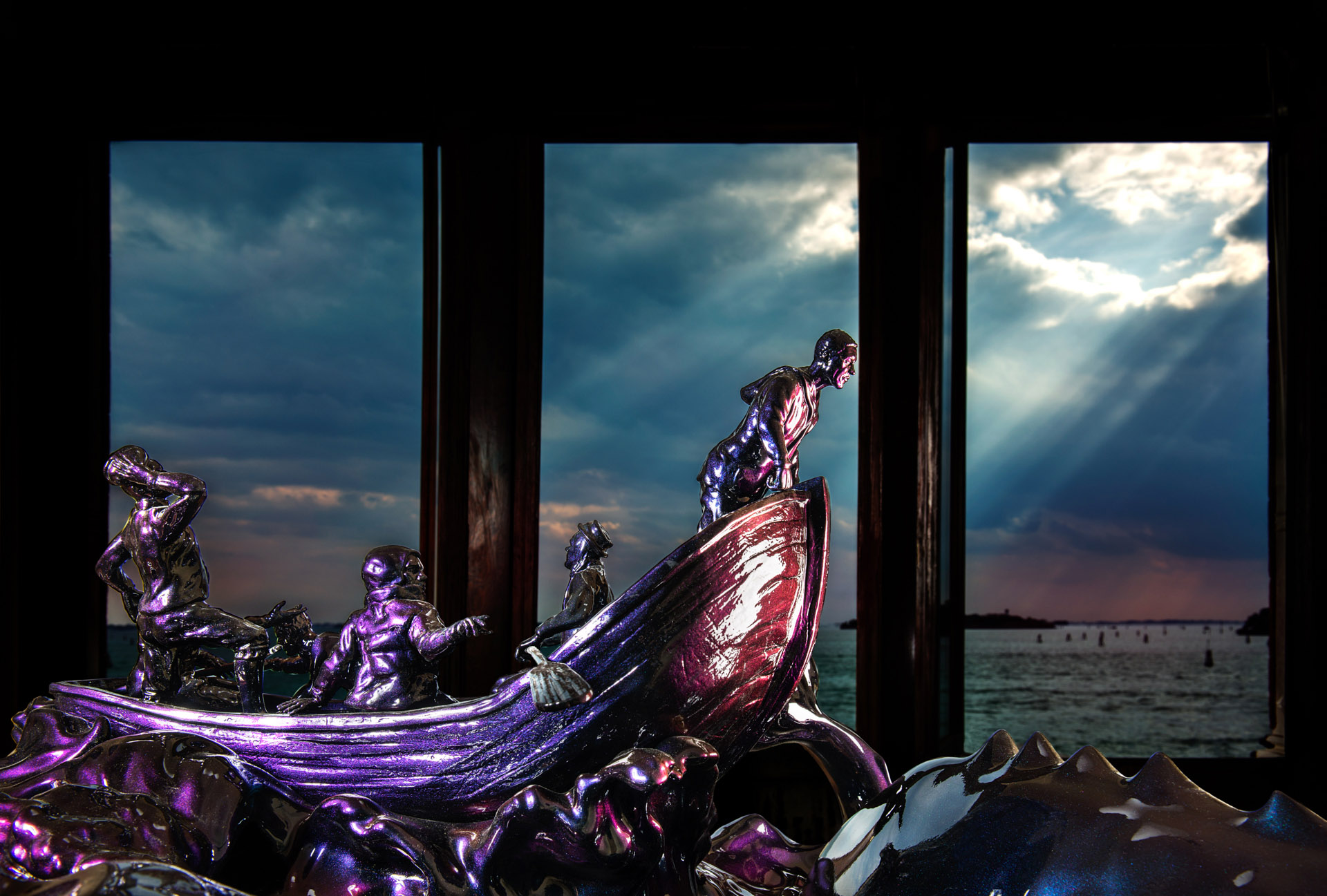
In this exhibition, the hanging paintings referred to the present, the sculptures to the past, and each film imagined a world 20–50 years into the future. Yet there was a dynamic interplay between these works and the materials they employed. The paintings were created on Fortuny textiles popularised in the 1920s; the sculptures referenced Jonathan Swift and Moby Dick but were produced using 3D printing technology; and the films combined shot footage, archival material, and analogue techniques to contemplate the future.
There is no single meaning behind Dawood’s artworks. Each piece invited visitors to reflect on the issues at hand and consider what we might do, collectively, to create a better world.
The exhibition resonated with the seasons of Advent and Christmas, when Christians recall the vulnerability of Jesus, Mary, and Joseph, forced by political decree to travel from Nazareth to Bethlehem (Luke 2:1–7) and later to flee from Bethlehem to Egypt out of fear of King Herod (Matthew 2:13–23). By today’s definition, Jesus would have been considered a migrant or refugee. Throughout 2023, global events reminded us of the importance of caring for displaced people and protecting our natural world.
Curated by Beth Hughes.
Labanof Cycle
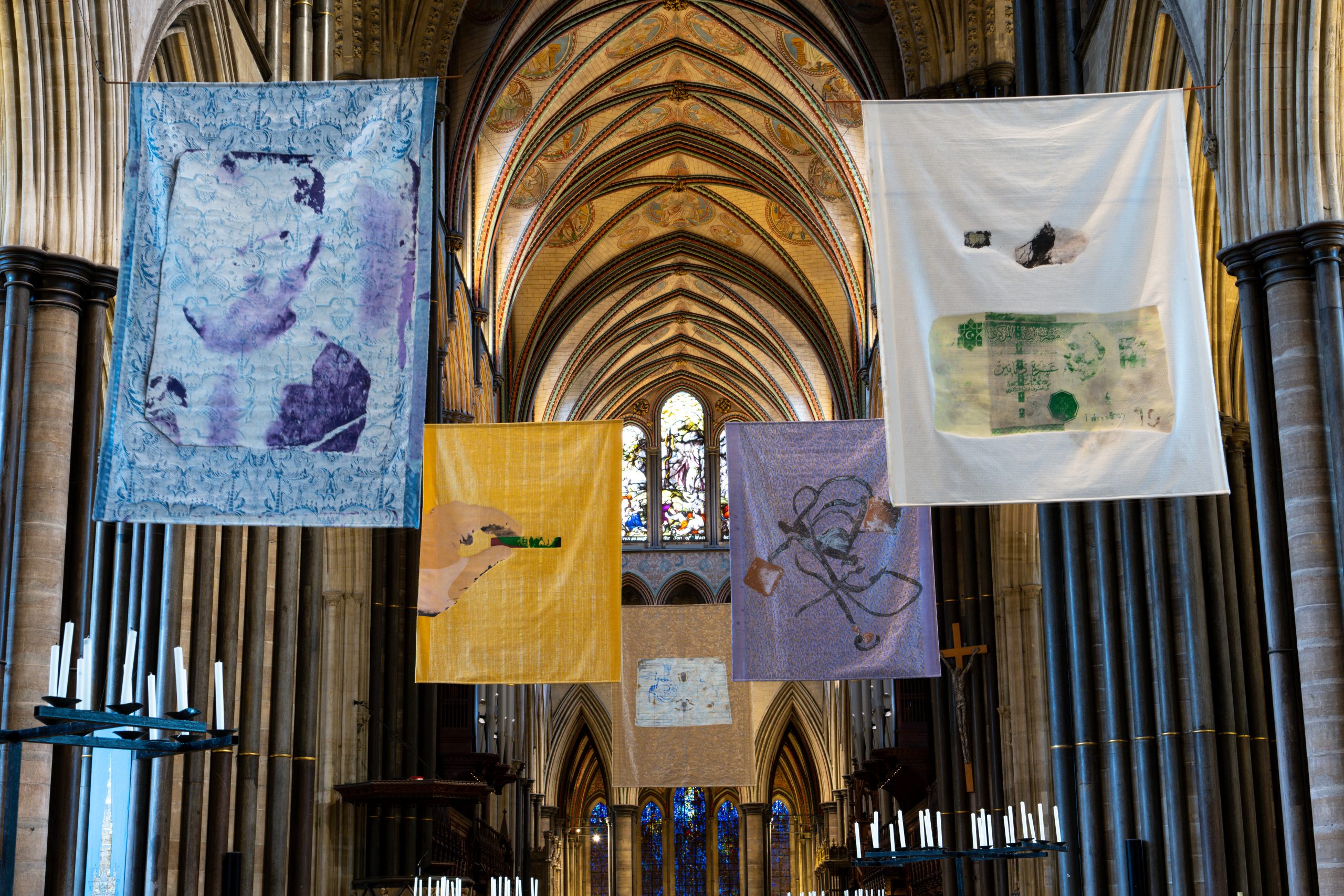
 Shezad Dawood
The Eye of the Storm, 2022
Labanof Cycle
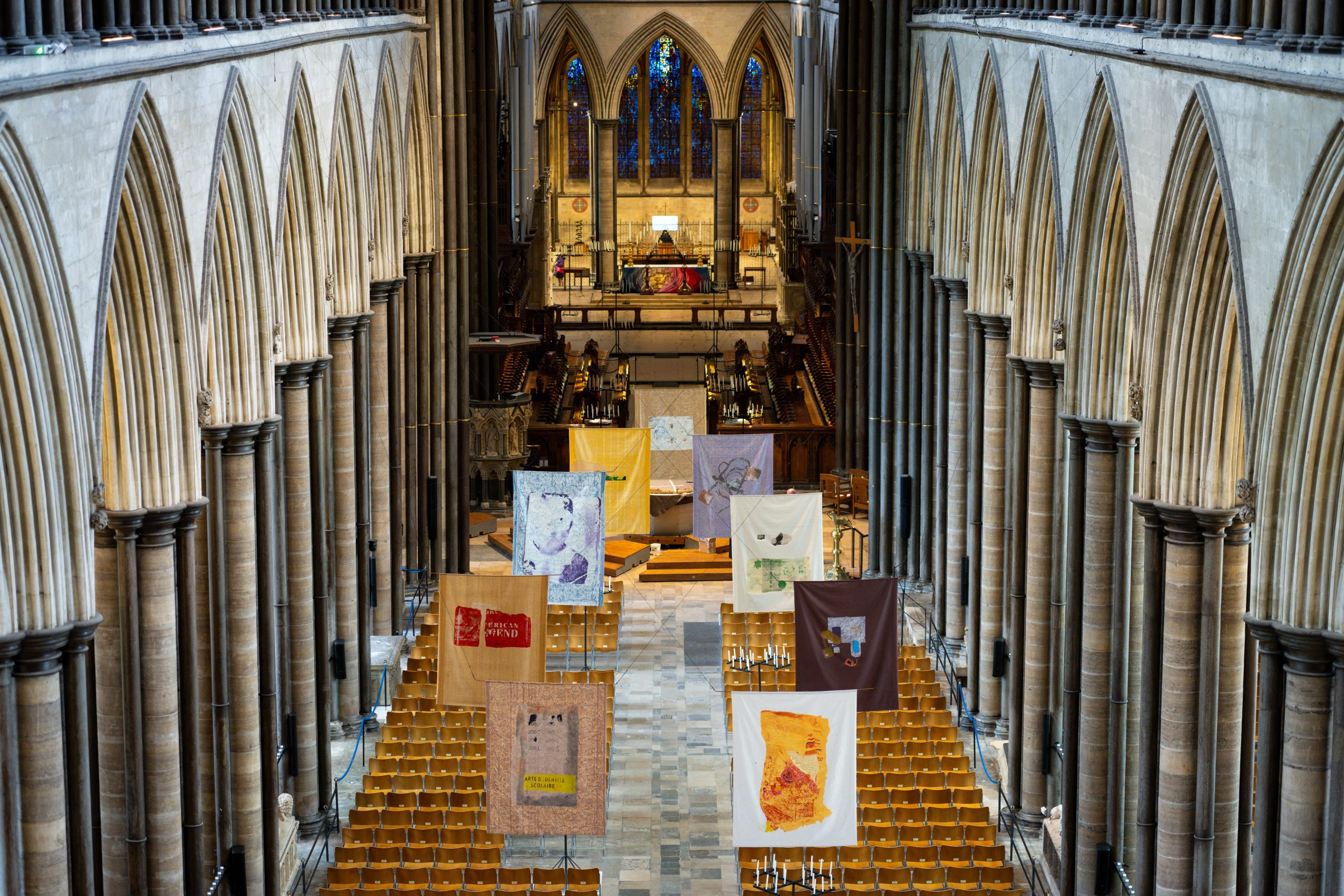
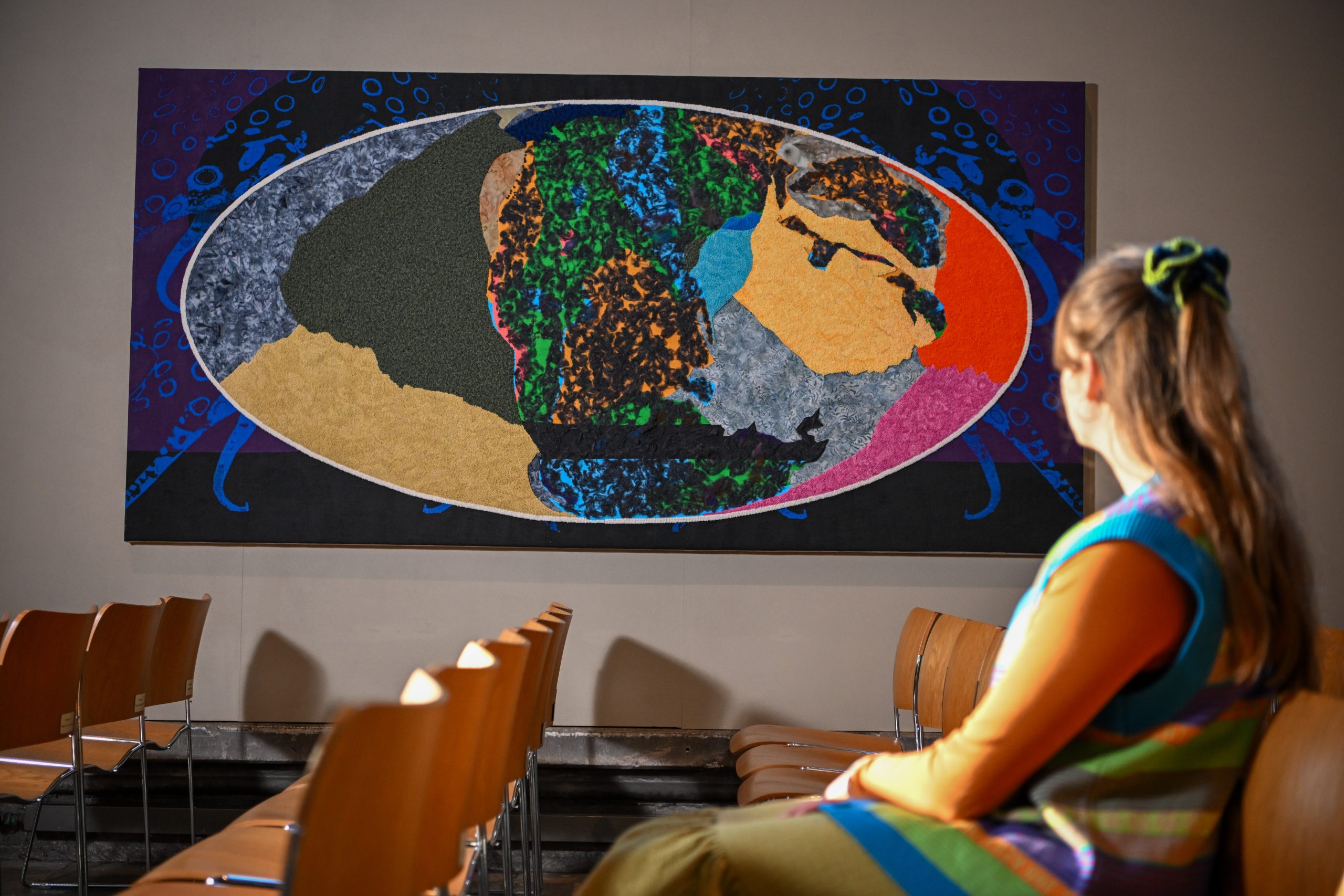 Shezad Dawood
AnthropoPangaea (Hapalochlaena lunulata)